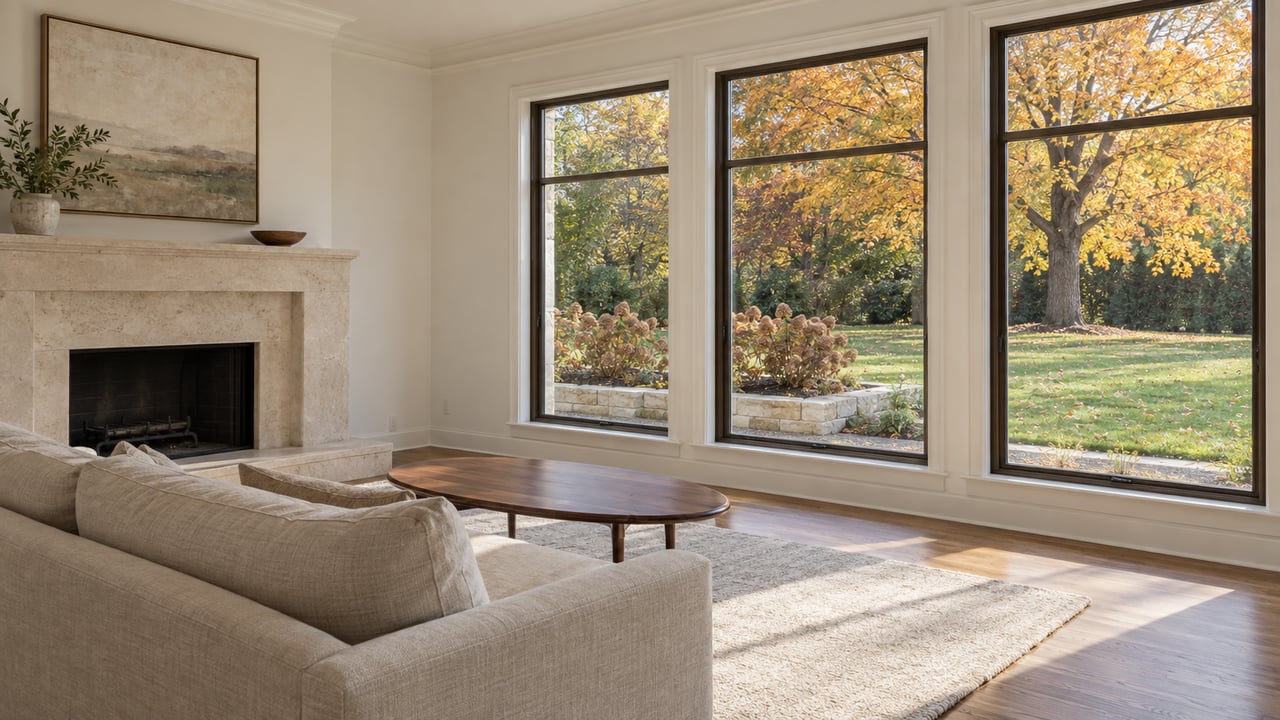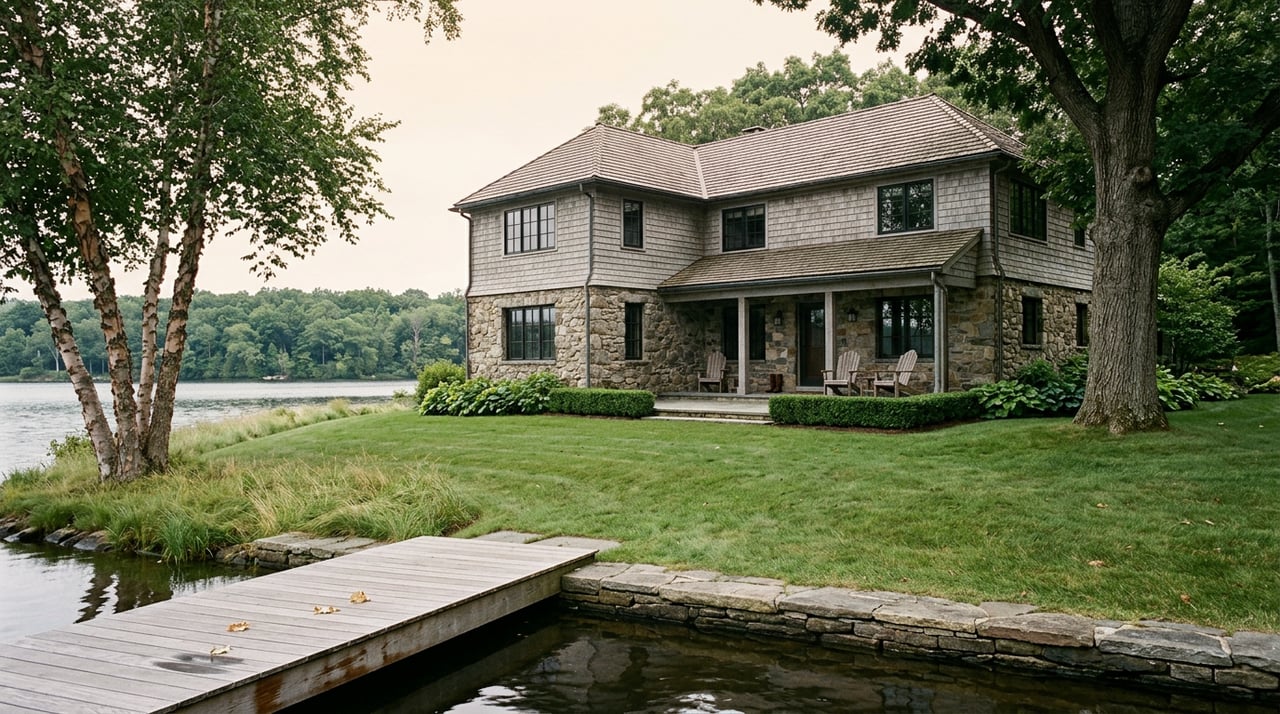
Scroll through active Lake Zurich listings this month and you will run into the same two words attached to two very different homes. One listing, in The Heights subdivision, pairs "lake rights" with community dock access and an actual boat slip. Another, near Forest Lake, pairs the identical phrase with partial water views and a voluntary $200-a-year association fee. No dock. No slip. Just a line in the listing that sounds like the first one but isn't.
Buyers comparing these two homes side by side are not comparing two versions of the same amenity. They are comparing a documented legal right to one property against a nice-to-have on the other, and the listing photos will not tell them which is which. That gap is the story here, and it matters more in Lake Zurich than in most Chicago-area suburbs because of how the lake itself is owned.
Why the same three words cover so much ground
Most lakes that anchor a Chicagoland suburb are public bodies of water managed by a park district or municipality. Lake Zurich is not. The lakebed is privately titled, split among many individual owners and associations, which is why access runs through two separate systems rather than one. The Lake Property Owners' Association, known locally as the LPOA, administers surface use and motorized boat permits. The Village of Lake Zurich runs the public parks and beaches, including Paulus Park and Breezewald Beach, along with non-motorized watercraft programs.
Nobody sits above both systems to define what "lake rights" means as a matter of policy. A seller's agent writing a listing description borrows the phrase from whatever the deed or the association's governing documents actually say for that specific parcel, and those documents were written at different times by different associations with different priorities. The result is a phrase that sounds standardized and isn't.
What the phrase can actually mean, parcel by parcel
The variation shows up clearly once you look at specific developments around the lake. In The Sanctuary, a lakefront townhome community, units have come to market with a deeded boat dock written directly into the property, not offered as a shared amenity but owned outright by the unit. The Heights subdivision has listed homes where "lake rights" bundles in community dock access and a boat slip, a step down from a private deeded dock but still a concrete, usable asset. Whitney Shores residents have access to their own private beach club, a membership benefit tied to the subdivision rather than to any individual parcel's deed.
Then there are the homes where "lake rights" means considerably less. The Forest Lake listing mentioned earlier includes partial lake views and a voluntary $200 annual due, with no dock, no slip, and no mention of a beach club. Around the shoreline, pockets like Sandy Point, South Shore, Oakwood Beach Club, and Lake Zurich Heights may include dock or beach rights, but whether a given home actually carries them depends entirely on that parcel's recorded deed and its association's rules, not on the subdivision's reputation as a whole.
None of this is visible from the street, and very little of it is visible from a listing photo of the water. It only shows up in paperwork.
The paperwork that decides which deal you're getting
Lake rights are legal entitlements, and like any easement or deeded right, they can be broad or narrow, permanent or conditional, depending on exactly how they were written and recorded. A deed that grants "lake access" without specifying a dock, a beach, or a launch point leaves real room for disagreement, and that gap between what a buyer assumes and what the deed actually conveys can affect the home's value by a meaningful amount.
The LPOA layer adds a second wrinkle specific to Lake Zurich. Operating a motorized boat on the lake requires either owning lakefront property, holding deeded lake rights, or getting permission from someone who does. That is a separate hurdle from whatever your deed says about beach access. A permit for non-motorized watercraft costs $5 and lets residents launch kayaks, canoes, paddleboats, and paddleboards from Paulus Park, but there is no public trailer ramp at the main beach, so anyone picturing a larger boat needs to check both the deed and the LPOA's eligibility rules before assuming they can put one in the water.
The two public beaches split differently too. Paulus Park sells day passes to non-residents, while Breezewald Beach has leaned toward resident-only access in recent seasons. For a buyer weighing two homes on opposite sides of the lake, that split can matter as much as anything written into a deed.
Before closing, the practical fix is the same one an attorney or title company would recommend for any easement dispute: read the deed language itself rather than the listing description, pull the recorded declaration or HOA documents for the specific parcel, and confirm separately with the LPOA whether the property carries eligibility for a motorized permit. A title report will also surface whether prior dock work, a seawall, or other shoreline improvements were properly permitted, since unpermitted work on the shoreline has a way of surfacing again during a transaction.
What this means for price, not just access
Local agents who work this market consistently point to the same handful of variables when pricing a lakefront or lake-rights home: dock rights, view, frontage, and the specific type of beach access attached to the parcel. That is a longer list than "lakefront or not," and it is the reason a townwide price figure only tells part of the story. Lake Zurich's overall housing market listed at a median price of $580,000 in August 2026, and that number is a reasonable anchor for the village as a whole. But a home with a deeded dock in The Sanctuary and a home with a voluntary $200 due near Forest Lake are not competing in the same slice of that market, even if both listings use the phrase "lake rights" in the first paragraph.
For a seller, that cuts both ways. A documented deeded dock is worth clearly stating in plain language, with the deed reference ready for a buyer's attorney to confirm quickly. Overstating a soft benefit like a shared walking path as "lake rights," on the other hand, invites a renegotiation once the buyer's attorney reads the actual HOA declaration during attorney review.
For a buyer, the lesson is to treat the phrase as a prompt to ask questions, not as a settled fact. The specific bundle of rights, not the words on the flyer, is what you are actually paying for.
Before you act on a "lake rights" listing
- Pull the deed and read the exact language describing lake access, not just the listing description.
- Request the HOA or association's governing documents and confirm whether dues are mandatory or voluntary, and what they actually fund.
- Check LPOA eligibility separately if a motorized boat matters to you, since deeded lake rights and LPOA permit eligibility are not automatically the same thing.
- Ask whether any dock, seawall, or shoreline work was permitted, since unpermitted work can slow down or complicate a closing.
- Compare the home against recent sold comps for parcels with the same specific rights, not against the townwide median.
A few questions worth asking early
Is Lake Zurich a public lake? No. It is privately titled with many individual lakebed owners. The LPOA governs surface use and motorized permits, while the Village of Lake Zurich manages the public parks and the two beaches, Paulus Park and Breezewald.
Can I put a motorboat on the lake without deeded lake rights? Yes, if you own lakefront property or have permission from someone who holds deeded lake rights. Otherwise, access is limited to non-motorized watercraft launched from Paulus Park with a village permit.
Does "lake rights" always come with a dock? No. It can mean a deeded private dock, shared community dock access, membership in a subdivision's beach club, or simply a voluntary association fee with no dock at all. The deed and the association's governing documents are the only reliable way to know which one applies to a specific home.
If you are comparing homes around Lake Zurich and want someone to read the deed before you fall for the listing description, Alka Patel has spent years working this exact kind of local detail with buyers and sellers across the northwest suburbs. Let's Connect before you write an offer, not after.
This article is general information, not legal, tax or financial advice. Consult a qualified professional about your situation.